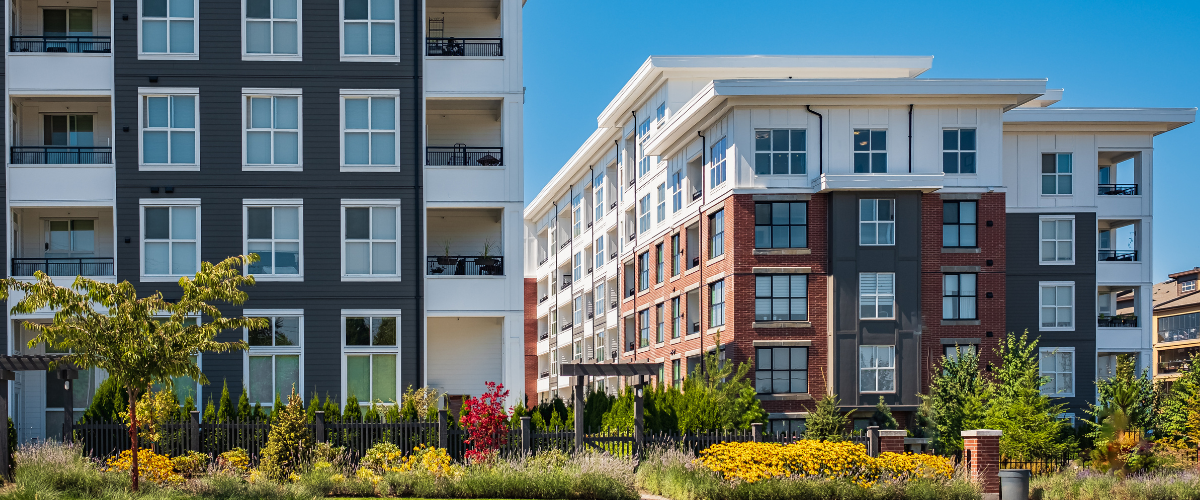
How living near the ocean affects your home insurance premium
Coastal home insurance costs more than similar homes just a few blocks inland, and proximity to the water is only part of the reason. Coastal properties carry a wider mix of risks, from storm exposure to salt air corrosion, and many homeowners are surprised to learn that key coverages like storm surge protection aren’t automatically included in a standard policy.
Does home insurance automatically cover storm surge near the ocean?
No. The coverage coastal homeowners most often assume is included, but frequently isn’t, is storm surge, also called coastal flooding. It’s one of three coverages that are commonly confused with each other, and understanding the difference matters before a loss happens.
Storm surge, overland water, and sewer backup: what’s the difference?
- Storm surge covers flooding caused by seawater pushed inland by storms or high tides. It’s often excluded from standard home policies, or requires specific coverage, even though many homeowners assume it’s included.
- Overland water covers freshwater entering the home from heavy rain, overflowing rivers, or surface runoff. It’s usually an optional endorsement rather than something automatically included, and it generally doesn’t cover seawater unless the policy specifically says so.
- Sewer backup covers water backing up through sewers, drains, or sump pumps. Like overland water, it’s typically a separate, optional endorsement, and it won’t cover water entering through open doors or coastal surges.
Living near the ocean doesn’t mean a homeowner is automatically covered for ocean-related flooding. Each of these coverages responds to a different way water can get into a home.
A real waterfront claim: what was covered and what wasn’t
Raman Parmar, Renewal Retention Specialist at Westland Insurance, walked us through a claim that shows exactly how this plays out. A homeowner on the BC coast experienced a powerful winter windstorm. Strong winds damaged several roof shingles, and wind-driven rain entered the attic through the exposed roof. At the same time, exceptionally high tides combined with the storm to push seawater onto the property, flooding the crawl space.
What was covered, subject to the policy’s terms, conditions, and deductible:
- Wind damage repairs to the torn roof structure, broken second-storey windows, and structural framing impacted directly by high winds.
- Wind-driven rain damage to upper-floor drywall and carpet that entered through the storm-damaged roof, plus temporary repairs to prevent further damage.
- Additional living expenses to cover the cost of living elsewhere while the upper level underwent structural and mould remediation.
What wasn’t covered: the seawater that flooded the crawl space through storm surge, because coastal flooding was excluded under that homeowner’s policy wording. The homeowner had purchased overland water coverage, but that endorsement applies to freshwater flooding, not seawater from the ocean. The homeowner had assumed flood coverage meant all types of flooding were included, and learned otherwise only after the loss.
Why does a home near the water cost more to insure than a similar home inland?
One of the biggest misconceptions coastal homeowners have is thinking their premium is high simply because they’re close to the water. In reality, proximity is only one factor among many, a pattern Parmar sees often among coastal clients. Two homes with the same square footage and value, one on the waterfront and one a few blocks inland, can face very different premiums, because insurers look at the overall risk profile of a property rather than just its location or market value.
A few of the factors that typically drive coastal premiums higher:
- Greater exposure to severe weather, including high winds, wind-driven rain, and coastal storms.
- Increased risk of water-related claims, such as flooding, storm surge, or erosion, depending on the location.
- Location-specific underwriting, since insurers use models that consider historical claims, local weather patterns, and geographic hazards, not just distance from the shoreline.
- Salt air exposure, which can accelerate corrosion of roofs, metal fixtures, HVAC systems, and other building components.
- Higher rebuilding costs, since coastal homes may require specialized construction methods, premium materials, or higher labour costs to rebuild after a total loss.
What underwriting factors matter more than distance to the water?
Beyond how close a home sits to the ocean, underwriters typically focus on factors that affect how likely a loss is and how severe it could be:
- Elevation and flood exposure: how high the home sits above expected flood levels, whether it’s on a slope, bluff, or low-lying shoreline area, and its proximity to flood-prone zones or areas with a history of flooding.
- Flood construction level: features like raised foundations or elevated structures, flood-resistant building methods, proper drainage systems, retaining walls or shoreline protection, and the foundation’s type and condition.
- Claims history: previous water damage claims, sewer backup losses, and windstorm claims, along with how frequent and severe past losses have been. This is considered one of the most important underwriting factors.
- Building materials and construction quality: since salt air accelerates deterioration, the durability of exterior siding, the age, type, and wind resistance of the roof, and the condition of the foundation, decks, and railings all matter.
- Replacement cost: because home insurance is based on the cost to rebuild rather than market value, coastal homes with higher construction costs, custom finishes, unique architectural features, or higher local labour costs will often see this reflected in the premium.
Do coastal homeowners need separate earthquake or tsunami coverage?
Generally, yes. Coastal homeowners need to think about earthquake and tsunami risk differently than inland homeowners do, since location can create additional exposure. But these coverages are usually separate from a standard home policy and aren’t automatically included.
Earthquake coverage near the coast
Earthquake coverage is typically added through a separate endorsement or a standalone earthquake policy, depending on the insurer. It may cover damage from earthquake shaking, damage to detached structures, contents damage, and additional living expenses if the home becomes uninhabitable.
Tsunami coverage: a different risk entirely
Tsunami coverage responds to flooding caused by a tsunami, which can follow an offshore earthquake, underwater landslide, or volcanic activity. Standard home policies generally exclude damage from tidal waves, tsunamis, or seawater flooding unless specific coverage is purchased. Living near the ocean doesn’t automatically mean every additional coverage is needed, but it does mean understanding the differences between earthquake damage, tsunami flooding, storm surge, and overland water, since a standard policy won’t treat them the same way.
What should buyers check before removing subjects on a home in a flood zone?
If a home is in a designated flood zone, the biggest risk is assuming a standard home policy will automatically cover all flood-related losses. Before removing subjects on an offer, it’s worth confirming:
- Whether flood coverage and overland water coverage are available for the address.
- Whether the insurer requires additional information, such as an elevation certificate or flood risk assessment.
- Whether there are restrictions tied to the property’s elevation, location, or flood history, since not every property in a flood zone will qualify for the same coverage.
- What type of water damage is actually covered. Overland water, sewer backup, and storm surge are all different, and coastal buyers should specifically confirm whether seawater or tidal flooding is included.
- Coverage limits for the building, contents, and additional living expenses, plus coverage for any detached structures.
- Whether flood-related coverage carries separate deductibles.
- Key exclusions, which can include seepage or leakage, groundwater issues, poor property maintenance, erosion or land movement, and certain types of coastal flooding.
- The home’s flood history, including previous claims, drainage issues, municipal flood maps, and any prior flood mitigation work.
- Existing risk mitigation measures, such as a backwater valve, sump pump with backup power, proper grading and drainage, elevated mechanical systems, or flood-resistant construction.
Key takeaways
- Storm surge, overland water, and sewer backup are three different coverages, and none of them is guaranteed to be included automatically.
- Premiums reflect a property’s full risk profile, not just its distance from the water.
- Earthquake and tsunami coverage are almost always separate from a standard home policy.
- Buyers in flood zones should confirm coverage availability and any restrictions before removing subjects.
- Regular maintenance, like clearing gutters and drainage systems and inspecting the roof, reduces the risk of a water damage claim regardless of location.
Coastal properties come with a wider range of risks, and getting the right coverage in place means looking past the price tag to understand exactly how a policy responds to wind, water, and everything in between. It’s why Westland’s advisors work with clients across the country’s coastlines every day, matching coverage to the realities of where they live, so that whatever the next storm brings, we’ll take care of it. If a home policy hasn’t been reviewed against its actual risk, Westland’s home insurance page is a good place to start the conversation.
Frequently asked questions
Does homeowners insurance cover storm surge?
Not automatically. Storm surge, or coastal flooding caused by seawater pushed inland during a storm or high tide, is often excluded from standard home policies and typically requires its own coverage or endorsement. Homeowners near the water should confirm with their insurer whether this coverage is available and included.
What’s the difference between overland water and sewer backup coverage?
Overland water covers freshwater entering a home from heavy rain, overflowing rivers, or surface runoff, and generally doesn’t include seawater. Sewer backup covers water backing up through sewers, drains, or sump pumps. Both are typically optional endorsements rather than something included by default.
Why is home insurance so much more expensive near the ocean?
Distance to the water is only one factor. Insurers also weigh a coastal home’s exposure to severe weather, its likelihood of water-related claims, salt air corrosion, local claims history, and higher rebuilding costs, all of which can push a premium higher than a similar home just a few blocks inland.
Do I need separate earthquake insurance if I live near the coast?
Usually, yes. A standard home policy typically doesn’t include earthquake coverage. It’s normally added through a separate endorsement or a standalone earthquake policy, and coastal location can be a reason to look at this coverage more closely.
Is tsunami damage covered by home insurance?
Generally, no, not under a standard policy. Tsunami damage, along with damage from tidal waves and seawater flooding, is usually excluded unless specific coverage has been purchased separately.
What should I check before buying a home in a flood zone?
Before removing subjects, confirm whether flood and overland water coverage are available for the address, whether the insurer needs an elevation certificate or flood risk assessment, what the coverage limits and deductibles are, and what the property’s flood history looks like. Not every property in a flood zone will qualify for the same coverage.